
Food waste is one of the biggest contributors to greenhouse gases in the planet. According to the USDA, the average family throws away $1,500 worth of food yearly and it’s because it spoils in the fridge. However with proper fridge layout and organization, you can probably cut food waste by 50% or more, saving money and food, while also reducing methane emissions from landfills. We created a new step-by-step guide to address this issue all in your fridge.
This step-by-step guide covers the following:
- The science-backed way to arrange your fridge
- Which foods should never be stored together
- Smart containers and tools that extend freshness
- How to implement a “first in, first out” system
Now let’s transform your fridge into a food-saving powerhouse!
*Note: This post contains affiliate links. When you purchase through these links, I earn a small commission at no extra cost to you. This helps support my blog. Thank you!”
Photo by Jep Gambardella on Pexels
Part 1: Why Your Fridge Layout Matters
The Shocking Cost of Disorganization:
There’s a cost to your fridge’s disorganization and you may not even realize it. Look at these three points that shows the impact:
- 30-40% of the U.S. food supply is wasted and thrown away.
- 43% of this waste happens at home.
- Spoiled produce accounts for one of the highest losses.
Key Problem Areas:
- There are hidden items rotting in back.
- Wrong humidity zones are accelerating decay.
- Poor air circulation is creating hot and cold spots.
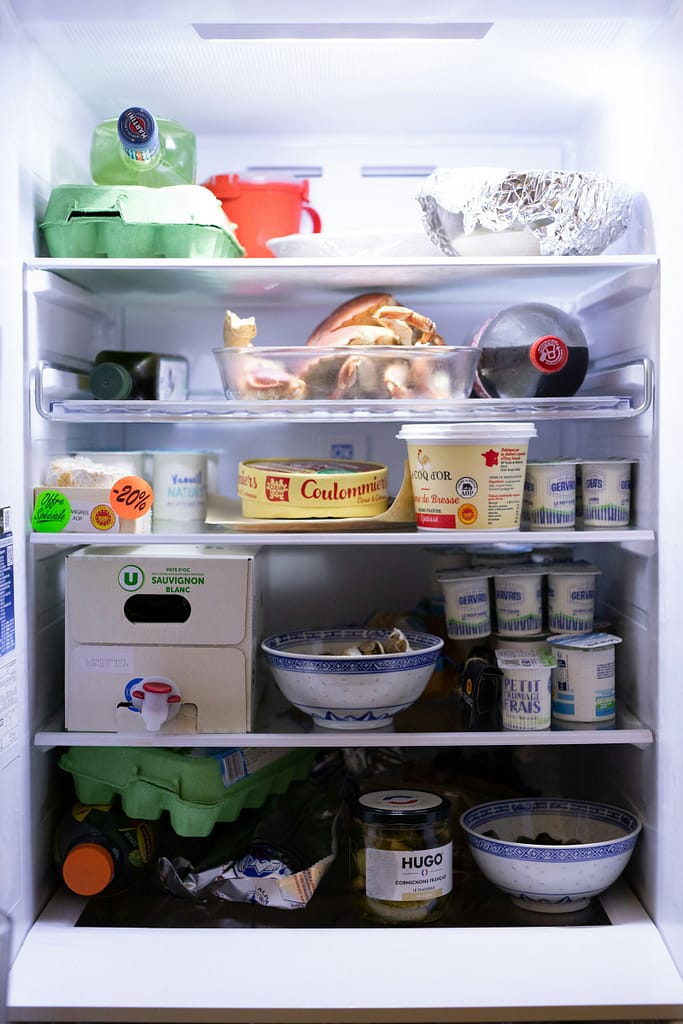
Photo by Nicolas Barbier on Unsplash
Part 2: The Ultimate Fridge Zones
Now let’s tackle fridge zones and see what we can store so we can better educate ourselves on the best placements of your food, drinks, and condiments.
1. Upper Shelves (39°F/4°C): Ready-to-Eat Foods
- Leftovers (in clear glass containers)
- Yogurt, cheese
- Drinks
Why? Because it has the most consistent temperature.
2. Lower Shelves (36°F/2°C): Raw & Perishable
- Raw meat/fish (make sure to place them on drip-proof trays)
- Eggs (in original carton, not in the door)
- Dairy alternatives
Why? The coldest area prevents bacterial growth.
3. Crisper Drawers (Humidity-Adjusted): Produce
- High humidity (closed vent): Leafy greens, herbs, broccoli
- Low humidity (open vent): Apples, pears, avocados
Pro Tip: Line drawers with paper towels to absorb excess moisture.
4. Door (45°F/7°C): Condiments Only
- Ketchup, mustard
- Pickles, jams
Pro Tip: Avoid milk or eggs (because temperature fluctuates).
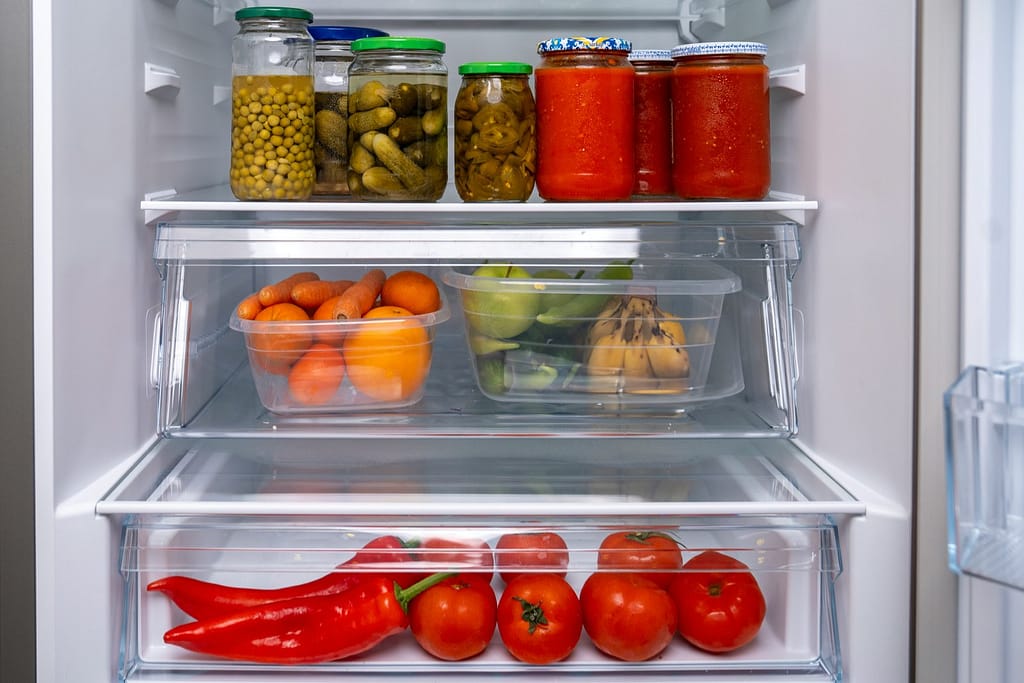
Photo by Onur Burak Akın on Unsplash
Part 3: Five Food Storage Hacks to Prevent Waste
1. The “Eat Me First” Bin
- Designate a clear bin for soon-to-expire items.
- Place at eye level for easier visibility.
2. Herb Revival Trick
- Store fresh herbs stem-down in water (like flowers) + cover with a bag.
- Lasts 3x longer than loose in drawers.
3. Mushroom Paper Bag Method
- Keep mushrooms in original packaging or in a paper bag.
- Remember that plastic traps moisture = slimy decay. Yuck!
4. Berry Vinegar Wash
- Soak berries in 1:3 vinegar-water mix, dry, then store in ventilated containers.
- This helps prevent mold for up to 2 weeks.
5. Cheese Wax Wrap
- Wrap cheese in beeswax wrap (not plastic) to prevent drying.
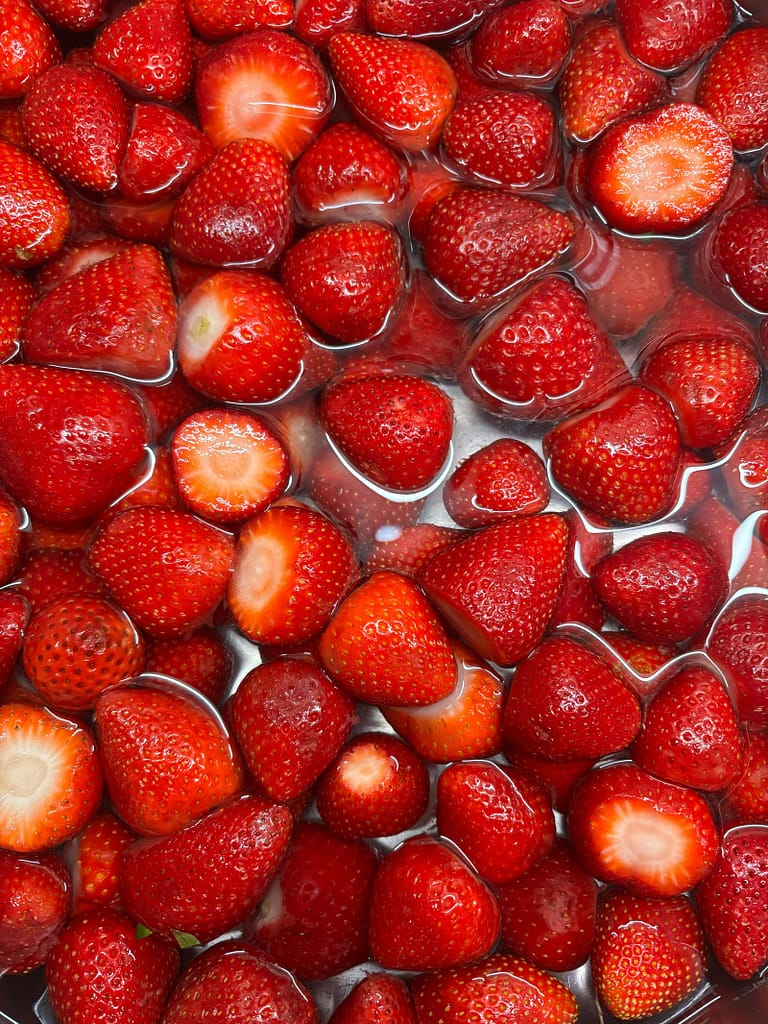
Photo by Marilena Andr on Pexels
Part 4: What NOT to Store Together
| Food | Bad Pairing | Why? |
|---|---|---|
| Apples | Carrots | Apples emit ethylene gas → bitter carrots |
| Onions | Potatoes | Onions cause potatoes to sprout |
| Bananas | Anything | Extreme ethylene producers |
Pro Tip: Use ethylene absorbers (e.g., BluApple) in produce drawers so you can mix and match your produce all you want.
Part 5: Essential Fridge Tools
There’s a few additional tools you can get to make your fridge even more organized for your success.
1. Clear Glass Containers
- OXO Good Grips (stackable, airtight)
- Weck Jars (for liquids)
2. Lazy Susans
- Lazy Susans: Prevent “forgotten” condiments in back.
3. Vacuum Sealer
- FoodSaver extends meat freshness by 5x.
4. Smart Thermometer
- SensorPush alerts if temperatures rise above 40°F.
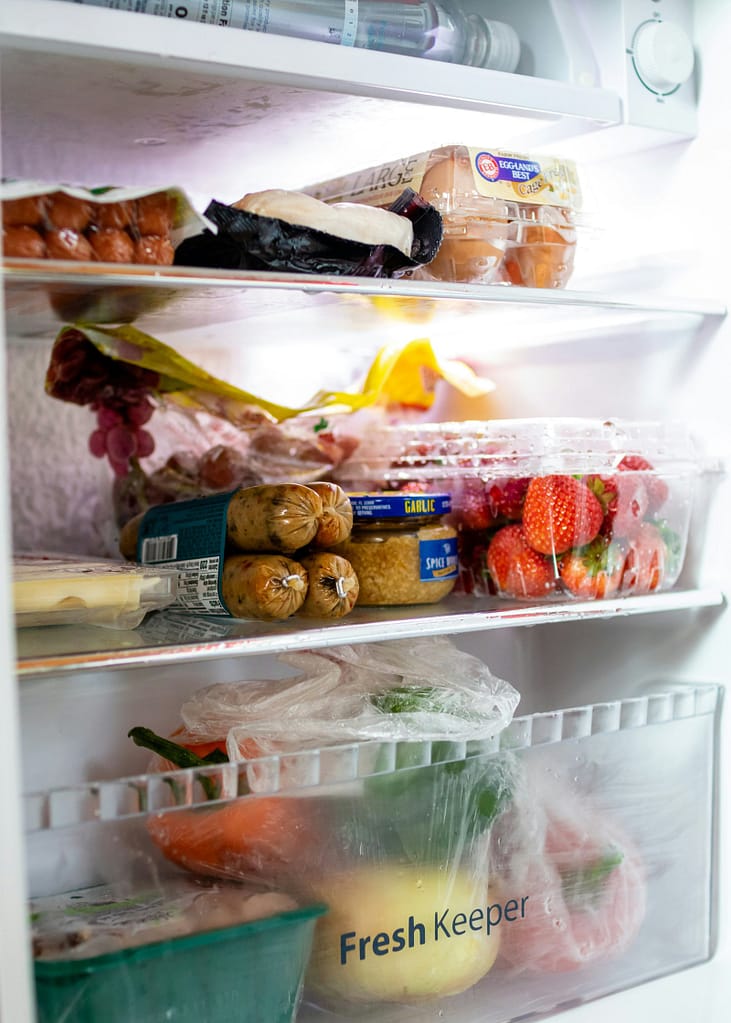
Photo by Darrien Staton on Unsplash
Part 6: The FIFO System (“First In, First Out”)
How to Implement:
- New groceries go behind older ones.
- Label containers with purchase/expiry dates.
- Weekly “clean sweep” to use up aging items.
Pro Tips: Turn leftovers into “fridge clean-out meals” like stir-fries or soups or frittatas and download the FDA FoodKeeper App for expiry reminders.
Now that we’re covered all the bases in proper fridge layout organization, what’s the first change you’ll make? Comment below!
Going to open the vent in my apple and avocado drawer right now! Thanks for the tip! Also I really need to be better at soaking my berries, I didn’t know that it could keep them fresh for as long as 2 weeks!
Hope these tricks help you out Anne! 🙂