
Do you think you’re saving the planet by tossing plastic into the recycling bin? Think again because according to National Geographic, only 9% of all plastic waste ever produced has been recycled, and many common “recyclable” items end up in landfills despite their labels. TRASH!
This eye-opening and myth-busting guide reveals:
- The 5 biggest recycling myths you’ve been told
- Shocking truths about where your waste really goes
- Proven alternatives that actually make a difference
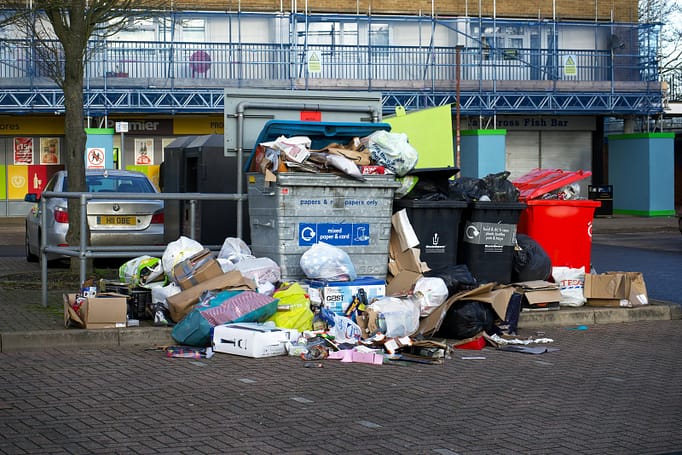
Lie #1: “All Plastic With a ♻ Symbol Gets Recycled”
The Truth:
- The ♻ symbol doesn’t guarantee recyclability—it only indicates the plastic type.
- #3–7 plastics (like yogurt cups and chip bags) are rarely recycled, even if you put them in the bin.
What to Do Instead:
- Choose glass or aluminum—they’re infinitely recyclable.
- If you’re in a pinch and can’t find glass or aluminum, focus on buying #1 (PET) and #2 (HDPE) plastics like water bottles and milk jugs.
- Check local rules via Earth911’s Recycling Directory.

Photo by PNW Production on Pexels
Lie #2: “You Don’t Need to Rinse Containers”
The Truth:
- Food residue contaminates entire batches of recycling, sending them to landfills.
- A single greasy pizza box can ruin 1 ton of paper recycling.
What to Do Instead:
- Thoroughly rinse containers (no need for soap).
- Scrape food scraps into compost first.
- Cut out the greasy stains from the pizza boxes first before recycling.
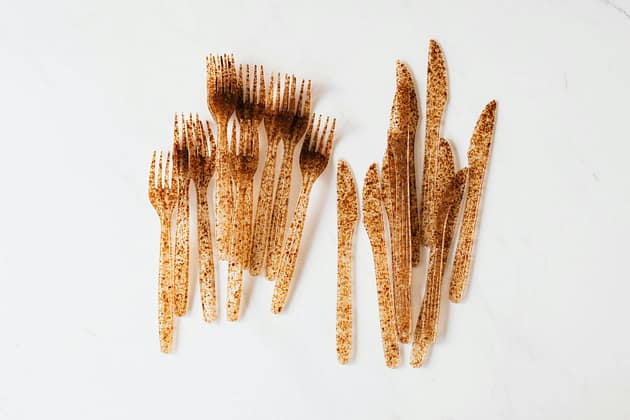
Photo by Kaboompics.com on Pexels
Lie #3: “Biodegradable Plastics Break Down Naturally”
The Truth:
- Most “biodegradable” plastics require industrial composters (which 85% of U.S. cities lack).
- In landfills, they release methane, a potent greenhouse gas.
What to Do Instead:
- Avoid “compostable” plastic unless your city accepts it.
- Use truly compostable materials like paper or bamboo.

Photo by Julia M Cameron on Pexels
Lie #4: “Recycling Centers Handle Everything”
The Truth:
- Broken glass and small items (like bottle caps) jam sorting machines and get trashed.
- “Wishcycling” (tossing non-recyclables in hopes they’ll be recycled) costs facilities $700M/year.
What to Do Instead:
- Keep items whole (e.g., leave labels on bottles).
- Try donate, repairing, or upcycling before recycling.
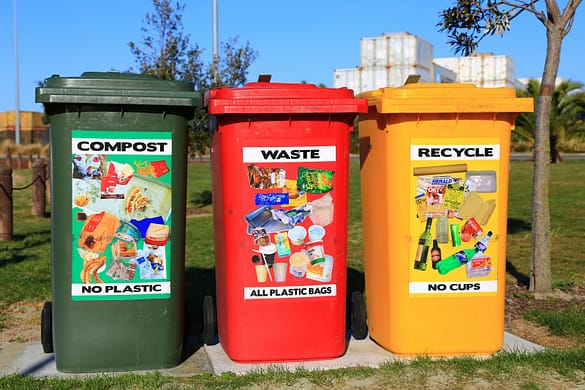
Photo by Nareeta Martin on Unsplash
Lie #5: “Recycling Solves Our Waste Problem”
The Truth:
- Recycling delays but doesn’t stop waste—40% of recycled plastic is only used once before disposal.
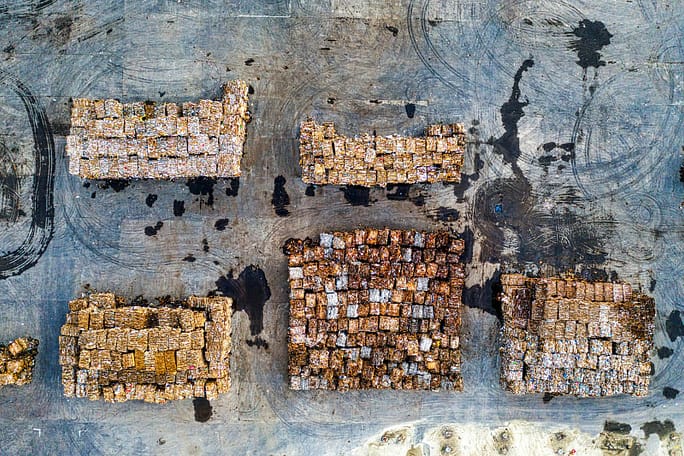
- The U.S. exports 50% of its recycling, often to countries with poor waste management.
What to Do Instead:
- Refuse single-use items first.
- Reuse containers (e.g., jars for storage or aluminum tins for plant pots).
- Choose circular brands (like Loop’s reusable packaging).
- Buy less things.
5 Real Solutions That Actually Work
1. The 5 R’s Hierarchy
- Refuse > Reduce > Reuse > Repair > Recycle
2. Compost Food Waste
- 30% of U.S. trash is compostable so exploring composting!
3. Buy in Bulk at Refilling Stores
- Bring jars to zero-waste stores or use fill stations for detergents.
4. Support Legislation
- Advocate for bottle bills and producer responsibility laws with your local officials.
5. Repair Electronics
- Use iFixit guides to extend device life.
The Hard Data: Recycling Reality Check
| Material | U.S. Recycling Rate | Better Alternative |
|---|---|---|
| Plastic | 5% | Use reusable containers |
| Glass | 31% | Choose returnable bottles |
| Paper | 68% | Go digital when possible |
| Aluminum | 50% | Best to recycle (endlessly reusable) |
Sources: EPA, Aluminum Association
What You Can Do Today
- Audit your bin—remove non-recyclables.
- Find a TerraCycle drop-off for tricky items (e.g., toothpaste tubes).
- Share these truths—most people don’t know!
Which myth surprised you most? Comment below!